The CORRESP Procedure

Computational Resources

Let
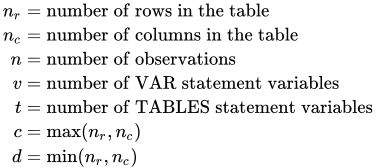
StartLayout 1st Row 1st Column n Subscript r 2nd Column equals normal n normal u normal m normal b normal e normal r normal o normal f normal r normal o normal w normal s normal i normal n normal t normal h normal e normal t normal a normal b normal l normal e 2nd Row 1st Column n Subscript c 2nd Column equals normal n normal u normal m normal b normal e normal r normal o normal f normal c normal o normal l normal u normal m normal n normal s normal i normal n normal t normal h normal e normal t normal a normal b normal l normal e 3rd Row 1st Column n 2nd Column equals normal n normal u normal m normal b normal e normal r normal o normal f normal o normal b normal s normal e normal r normal v normal a normal t normal i normal o normal n normal s 4th Row 1st Column v 2nd Column equals normal n normal u normal m normal b normal e normal r normal o normal f normal upper V normal upper A normal upper R normal s normal t normal a normal t normal e normal m normal e normal n normal t normal v normal a normal r normal i normal a normal b normal l normal e normal s 5th Row 1st Column t 2nd Column equals normal n normal u normal m normal b normal e normal r normal o normal f normal upper T normal upper A normal upper B normal upper L normal upper E normal upper S normal s normal t normal a normal t normal e normal m normal e normal n normal t normal v normal a normal r normal i normal a normal b normal l normal e normal s 6th Row 1st Column c 2nd Column equals max left-parenthesis n Subscript r Baseline comma n Subscript c Baseline right-parenthesis 7th Row 1st Column d 2nd Column equals min left-parenthesis n Subscript r Baseline comma n Subscript c Baseline right-parenthesis EndLayout

For TABLES statement input, more than

32 left-parenthesis t plus 1 right-parenthesis plus 8 left-parenthesis max left-parenthesis 2 t n comma left-parenthesis n Subscript r Baseline plus 3 right-parenthesis left-parenthesis n Subscript c Baseline plus 3 right-parenthesis right-parenthesis right-parenthesis

bytes of array space are required.

For VAR statement input, more than

16 left-parenthesis v plus 2 right-parenthesis plus 8 left-parenthesis n Subscript r Baseline plus 3 right-parenthesis left-parenthesis n Subscript c Baseline plus 3 right-parenthesis

bytes of array space are required.

Memory

The computational resources formulas are underestimates of the amounts of memory needed to handle most problems. If you use a utility data set, and if memory could be used with perfect efficiency, then roughly the stated amount of memory would be needed. In reality, most problems require at least two or three times the minimum.

PROC CORRESP tries to store the raw data (TABLES input) and the contingency table in memory. If there is not enough memory, a utility data set is used, potentially resulting in a large increase in execution time.

Time

The time required to perform the generalized singular value decomposition is roughly proportional to 2 c d squared plus 5 d cubed. Overall computation time increases with table size at a rate roughly proportional to left-parenthesis n Subscript r Baseline n Subscript c Baseline right-parenthesis Superscript three-halves.

Last updated: December 09, 2022